

Independent Project Work
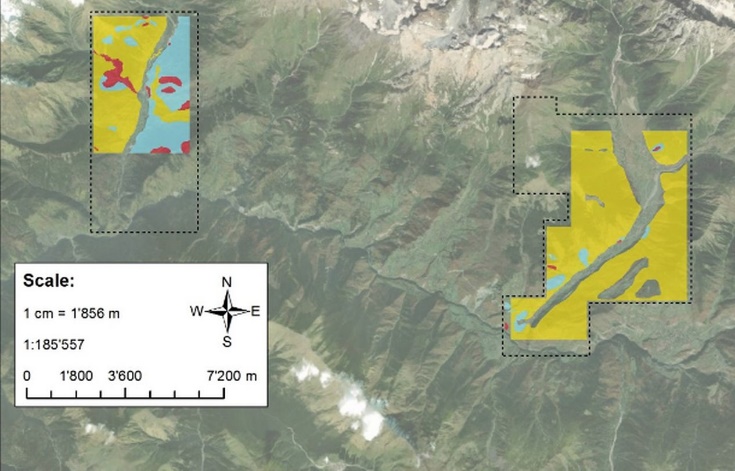
The objective of the independent project work is to put into practice the theory, concepts and skills you have learnt through Part 1 and 2 of the distance learning module. The aim is to demonstrate your understanding of the overall approach to hazard and risk assessment, however, generating operational hazard maps is not within the […]
Session 10: Institutional and Regularity Framework in South Caucasus
Learning Objectives By the end of Part 1, you will be able to:
Session 9: Building Capacities and Community Resilience
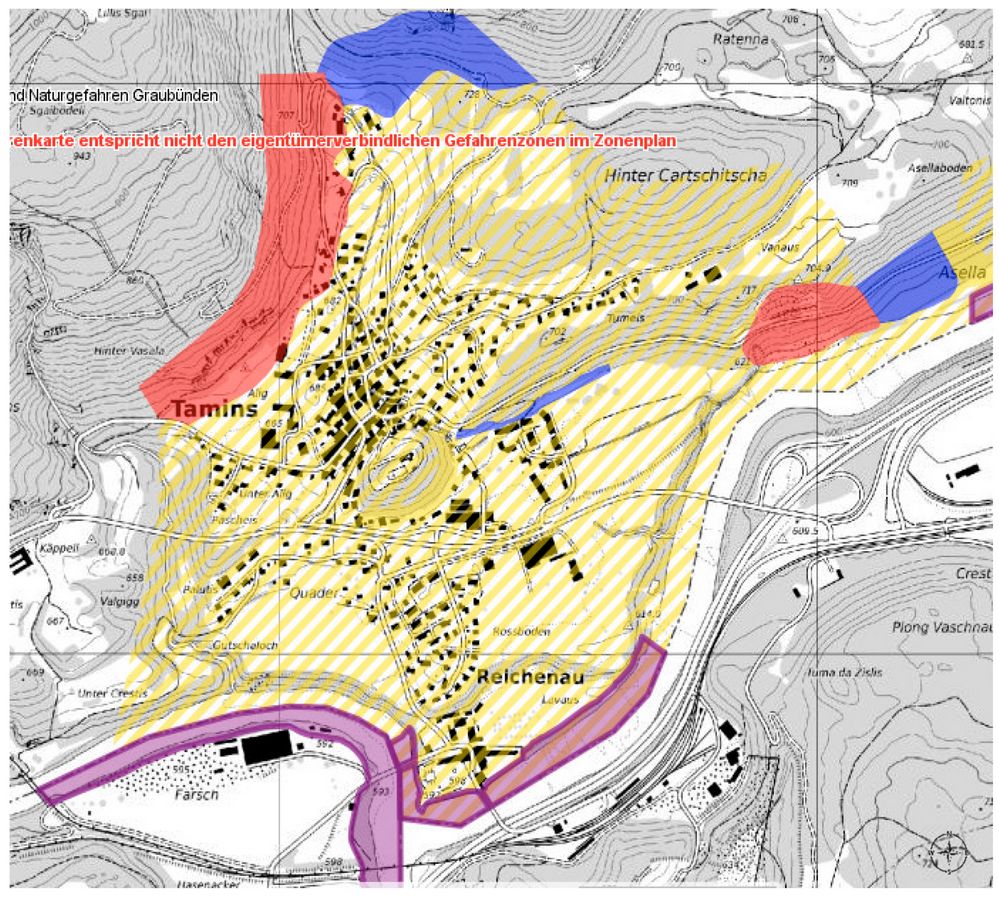
Hazard and risk maps are the basis for most DRR and many CCA strategies. However, they need to be embedded in much broader programmes that build capacities and resilience at the community level. In Session 9, we address this important topic, looking at approaches for building capacities and community resilience to hazards and disasters. Several […]
Session 8: Hazard and Risk Assessment for Sudden Onset Events Earthquakes
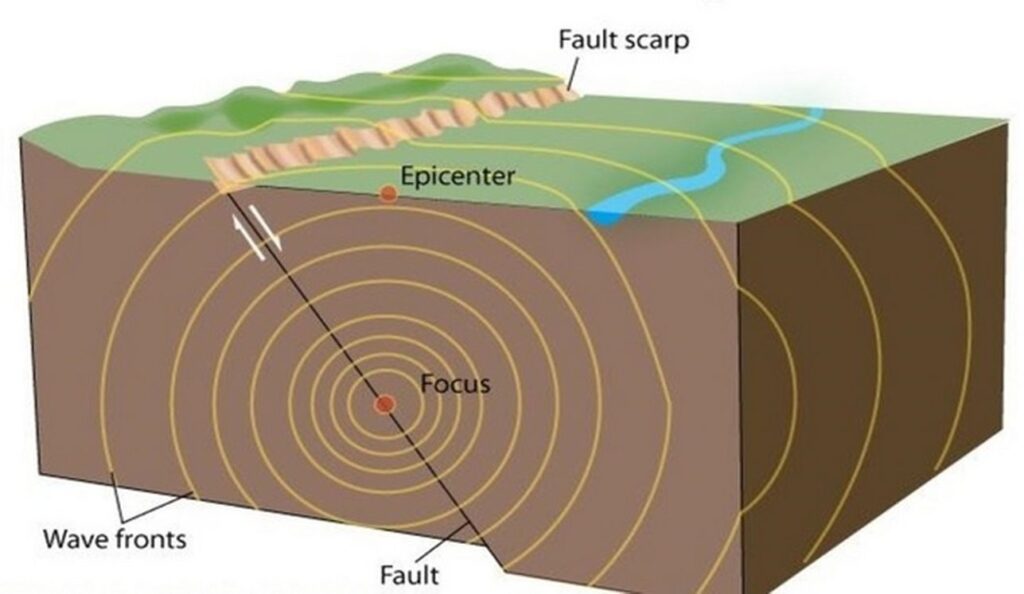
Earthquakes are among the costliest of all natural disasters and have the potential to cause devastating damage to engineering systems in seismic regions. Today, hundreds of millions of people throughout the world live with a significant risk to their lives and property from earthquakes. Furthermore, billions of dollars of public infrastructure are continuously at risk […]
Session 7: Hazard and Risk Assessment for Sudden Onset Events–Floods
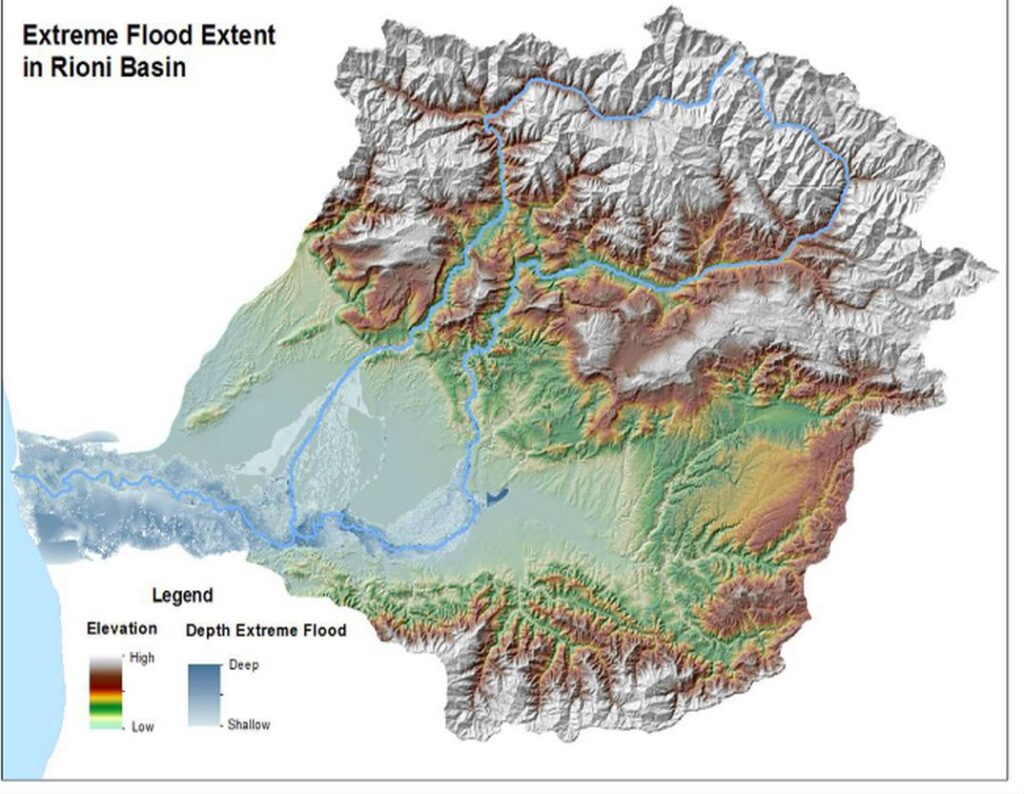
Floods are the most frequent natural hazard globally, and in an increasingly warmer and wetter world, the risk of flooding is expected to further increase. In order to understand flood hazard and risk, it is important to first learn basics about flood characteristics, hydrological considerations, and fluvial processes. In Session 4, we review these topics […]
Session 6: Hazard and Risk Assessment for Sudden Onset Events–Landslides
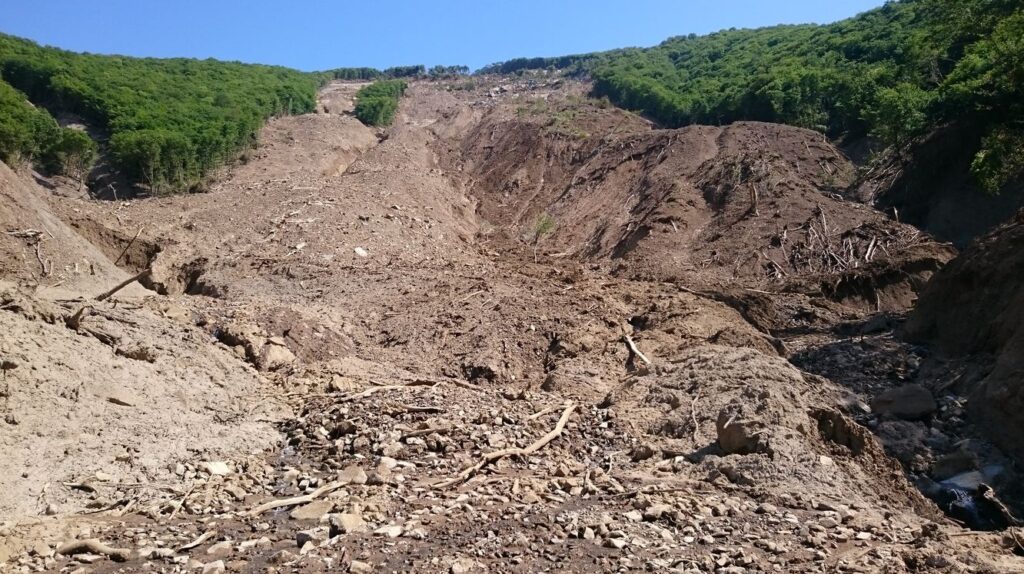
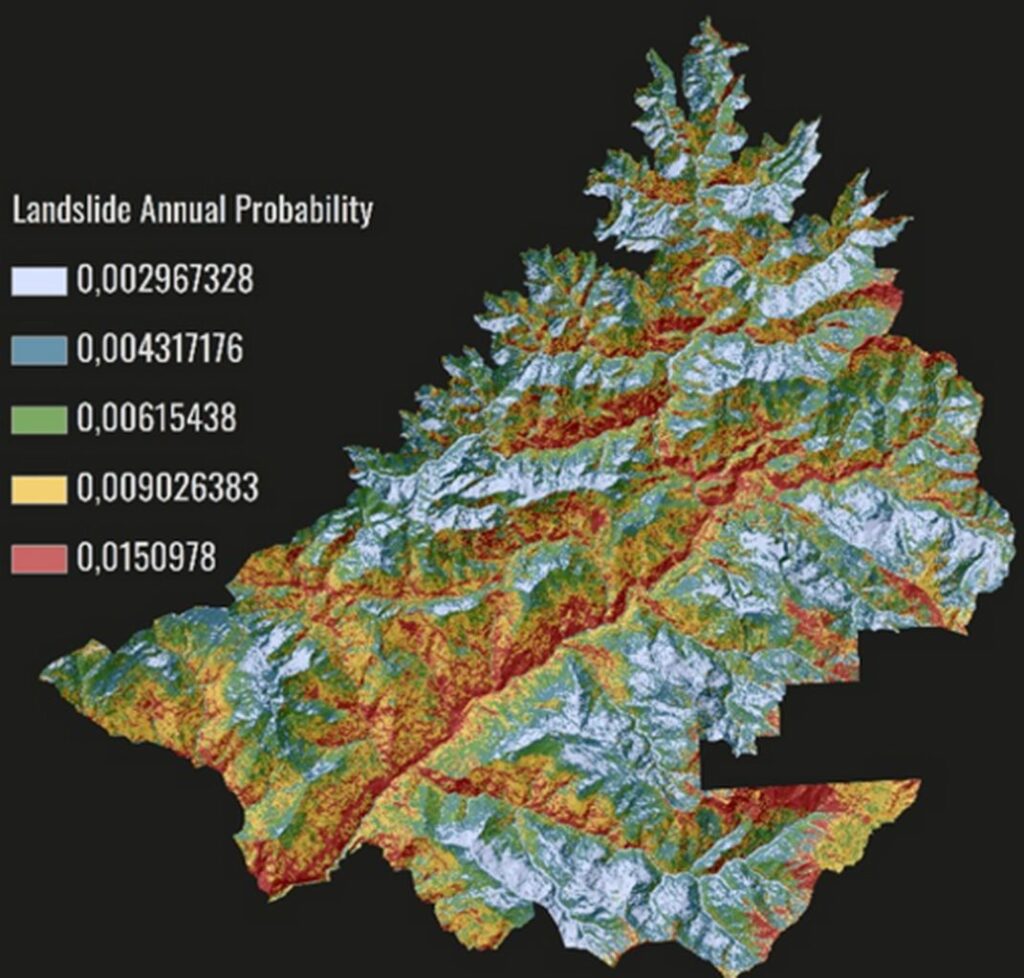
Together with flooding, mass movements (commonly referred to as landslides) constitute one of the greatest natural threats to humans across the globe, exacerbated by increasing variability in rainfall, wildfires, and other anthropogenic pressures. In this session, we review the different mass movement types and describe processes that trigger or condition mass movements. We then focus […]
Session 5: Hazard and Risk Assessment for Slow Onset Events
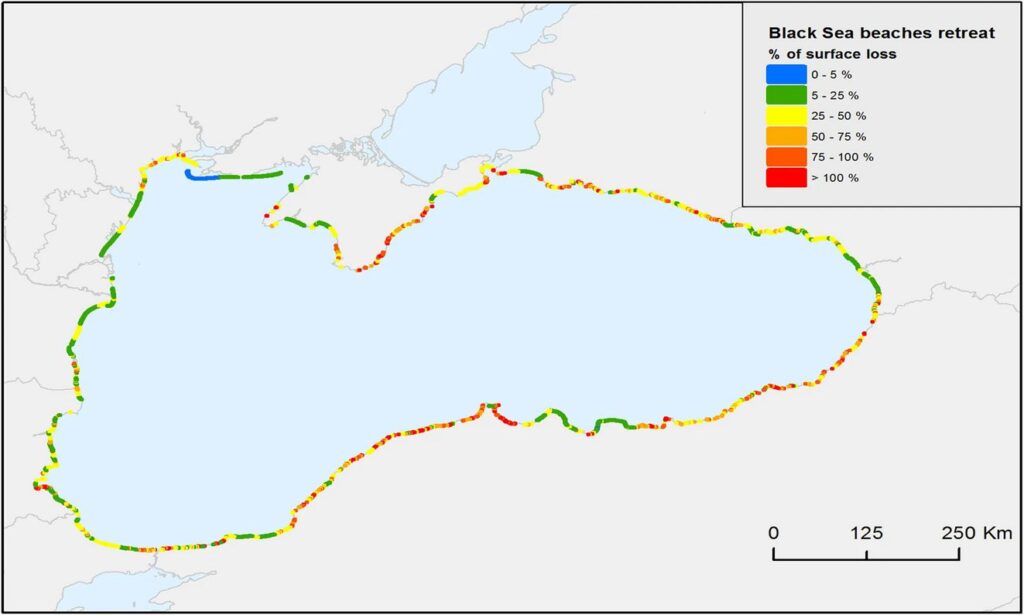
Some hazards associated with climate change are emerging gradually, allowing more time to assess and respond to risks. In Session 4, we provide an overview of the hazards that are affecting the South Caucasus region. We then introduce tools and approaches used to undertake both a screening of the related societal risk, and more details […]
Session 4: DRM and Hazard Assessment for Sustainable Mountain Development
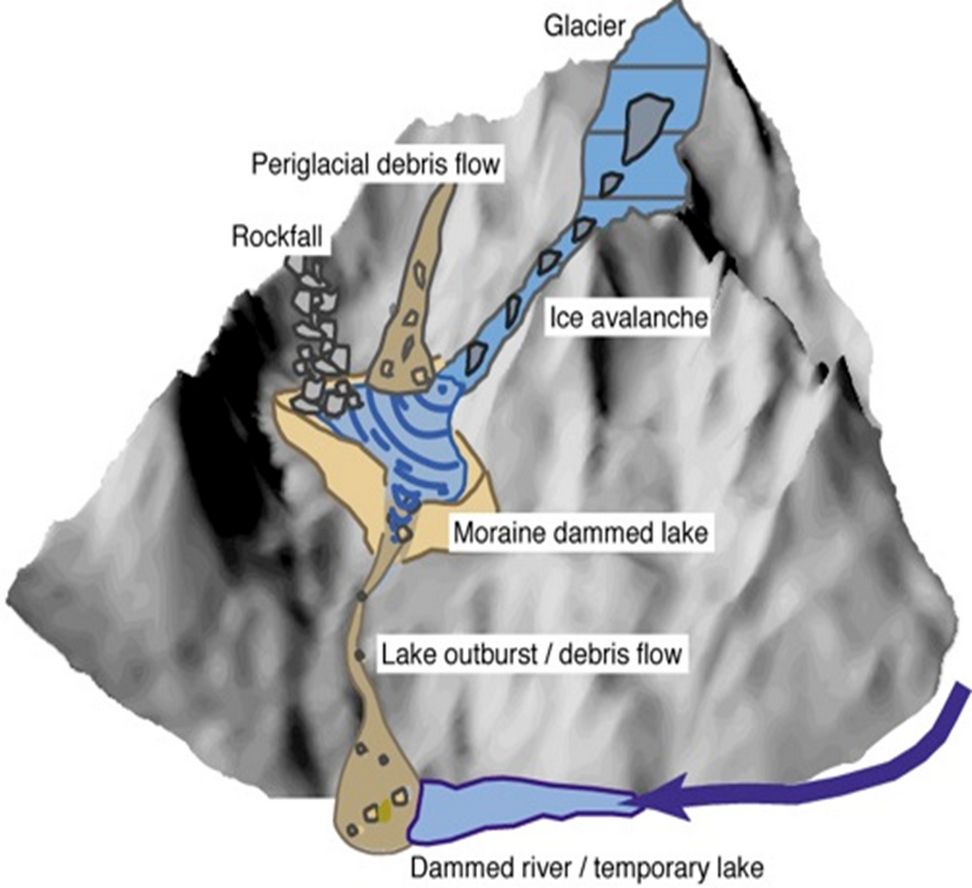
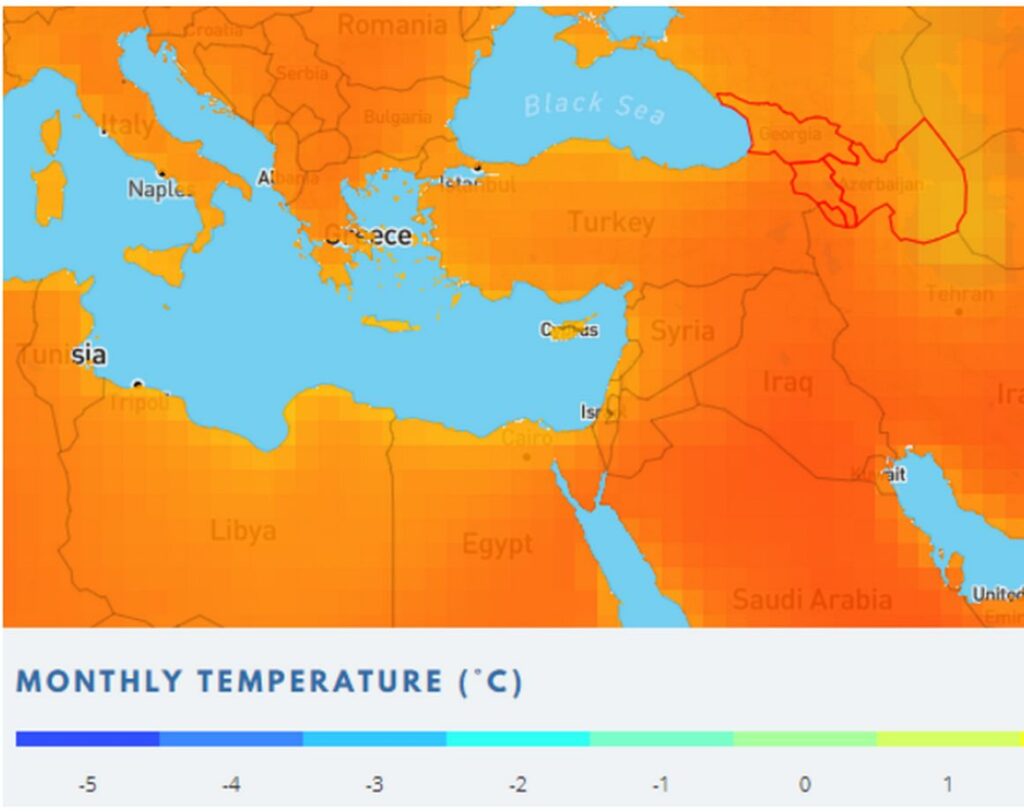
The impacts of climate change are exacerbated in steep, icy, and geologically active mountain environments. Related hazards and risk are a threat to sustainable development both within vulnerable mountain communities, and in downstream areas. In Session 4, observed and projected changes in climate across the mountainous areas of the South Caucasus are considered, and what […]
Session 3: Technology for Hazard and Risk Mapping
Learning Objectives By the end of Part 1, learners will be able to:
Session 2: DRM and Hazard Assessment in a Changing Climate
Learning Objectives By the end of Part 1, learners will be able to: